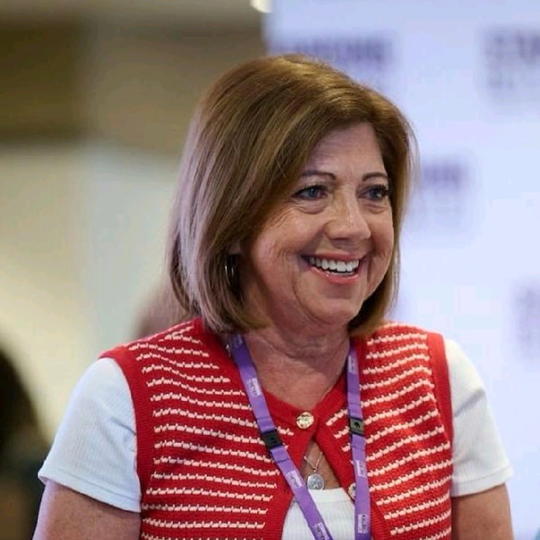
Jackie Hyland
Executive Director of Services


Level – Intermediate
(DAHA can offer an additional half-day foundation course that can upskill or refresh Champions if requested)
This course is for:
By the end of this course, you will be able to:
Course Duration:
This course contains 2 modules and is split over 2 mornings (7 hours total).
DAHA require Champions to schedule a meeting between the 2 Modules (organised and facilitated internally) to review the resource pack and familiarise themselves with their domestic abuse procedure ahead of Module 2
Before you book this training, please ensure you meet the following criteria
Cost:
Group booking of 20 Delegates or less: £2,000
(This course cannot exceed 20 delegates)
This excludes the DAHA Membership discount (5% Affiliated Members, 10% Accredited/Accreditation Members)
(DAHA Training courses are exempt of VAT)

Level – Beginner/refresher
This course is for:
Teams who interact with residents’ face to face, make home visits and have an opportunity to safely ask about domestic abuse e.g.- housing officers/neighbourhood teams
By the end of this course, you will be able to:
Course Structure:
This course contains 3 modules and is split over 3 mornings (10.5 hours total).
Delegates must attend all 3 mornings to meet the learning outcomes and receive their CPD certificate.
Training costs:
Group booking of 20 Delegates or less: £2,800
£140 per additional delegate - Maximum 25 delegates per course
Open courses will become available to book in 2023
(DAHA Training courses are exempt of VAT)
This excludes the DAHA Membership discount (5% Affiliated Members, 10% Accredited/Accreditation Members)

Level – Beginner/refresher
This course is for:
Teams who take calls from residents and have an opportunity to identify domestic abuse over the phone, safely ask and pass concerns on to the relevant team/agency
e.g – phone-based customer service teams, call centre teams.
By the end of this course, you will be able to:
Course Structure:
This course contains 2 modules and is split over 2 mornings (7 hours total).
Delegates must attend both mornings to meet the learning outcomes and receive their CPD certificate.
Training costs:
Group booking of 20 Delegates or less: £2,000
£100 per additional delegate - Maximum 25 delegates per course
Open courses will become available to book in 2023
(DAHA Training courses are exempt of VAT)
This excludes the DAHA Membership discount (5% Affiliated Members, 10% Accredited/Accreditation Members)

Level – Beginner/refresher
This course is for:
Frontline homelessness professionals working with survivor/victims experiencing multiple disadvantages, across a range of homelessness support settings e.g., supported accommodation, outreach teams, assessment centres and Housing First teams.
By the end of this course, you will be able to:
Course Structure:
This course contains 2 modules and is split over 2 mornings (7 hours total).
Delegates must attend both mornings to meet the learning outcomes and receive their CPD certificate.
Training costs:
Group booking of 20 Delegates or less: £1,100
£55 per additional delegate - Maximum 25 delegates per course
Open courses will become available to book in 2023
(DAHA Training courses are exempt of VAT)
This excludes the DAHA Membership discount (5% Affiliated Members, 10% Accredited/Accreditation Members)

18 May 2023
Yesterday, the long-awaited Renter’s Reform Bill had its first reading in Parliament, fulfilling many of the ambitions set out within the Renter’s Reform White Paper, to ‘reset the balance of rights and responsibilities between tenants and landlords’. The most prominent and welcomed aspect of the bill is the end of Section 21 ‘no fault’ evictions, which has caused housing insecurity and homelessness for many private renters, including victims of domestic abuse living in the private rented sector (PRS).
There are now more victims of domestic abuse living in the PRS than ever before, in part due to the growth of the PRS, but also due to a significant lack of social housing, with many victims of domestic abuse having no other choice but to take on PRS tenancies, which have often been insecure, unaffordable, and, unsafe. In the context of a cost-of-living crisis, including soaring rents, and local housing allowance rates that do not meet rental demands, many victims of domestic abuse (many of whom are single women with children) are placed in positions of great hardship and the risk of homelessness, in addition to the ever-present threat of harm and homicide.
By removing Section 21 ‘no fault’ evictions, and the government’s commitment to take future action to address discrimination against tenants with children, we hope victims of domestic abuse will face fewer housing barriers to achieving safety. However, we continue to be concerned that this will be undermined by the changes proposed within the bill to make it easier for landlords to evict on grounds of anti-social behaviour (ASB) and rent arrears. This includes, broadening the discretionary ASB ground for eviction to ‘’any behaviour capable of causing nuisance or annoyance’’ as well as introducing a new mandatory ground for repeat serious arrears, as detailed within the White Paper.
Victims of domestic abuse are significantly more likely to have ASB complaints made against, often due to the misidentification of domestic abuse as ASB. Victims of domestic abuse are also more likely to be in rent arrears, both as a direct result of economic abuse, and due to the economic and practical burden of fleeing abuse and becoming homeless, often with their children (victims of domestic abuse in their own right). With no proposed safeguards in place to protect victims of domestic abuse from evictions related to domestic abuse, we fear this will lead to harm and homelessness. As a result, victims of domestic abuse may become more dependent on their abuser and make it even more difficult to leave.
We have worked closely alongside the DAHA-led National Housing and Domestic Abuse Policy and Practice Group to publish a detailed briefing on the impact of the proposed changes through the RRB on victims of domestic abuse in cases of ASB. We make clear recommendations for how the government can safeguard victims of domestic abuse and other vulnerable tenants, including those at risk of other forms of abuse or exploitation or in need of health or social care support. These recommendations included:
We look forward to further scrutinising the bill, which will undoubtedly lead to further recommendations from our National Group, particularly in the areas of rent arrears. We want to work with sector partners, government, and parliamentarians to ensure the bill works to protect all renters, which must include victims of domestic abuse living in the PRS who already face far too many barriers to safety and housing insecurity.
For more information and any press enquiries, please contact the DAHA National Group Chair and Senior Housing Manager, Deidre Cartwright, by emailing: d.cartwright@standingtogether.org.uk


In the Health Team, we have a team of brilliant and dedicated women, who bring a wealth of experience from across the health and domestic abuse sectors, to support health providers develop an effective response to domestic abuse
Executive Director of Services

Head of Service
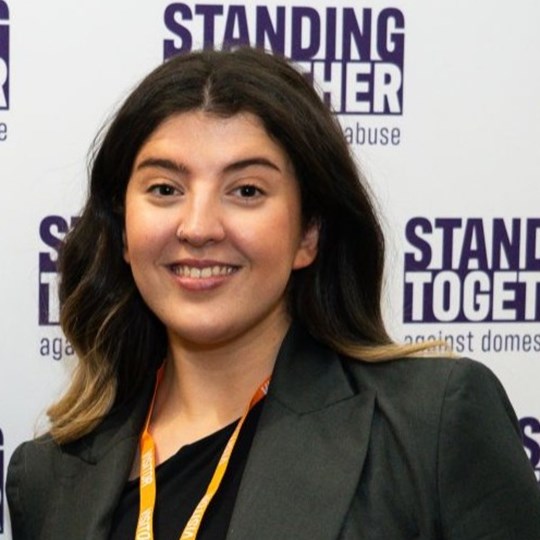
Senior Policy Officer

Survivor Voice Lead

Health Coordinator

Health Training & Membership Coordinator

Domestic Abuse & Sexual Safety Coordinator Cheshire and Merseyside ICB
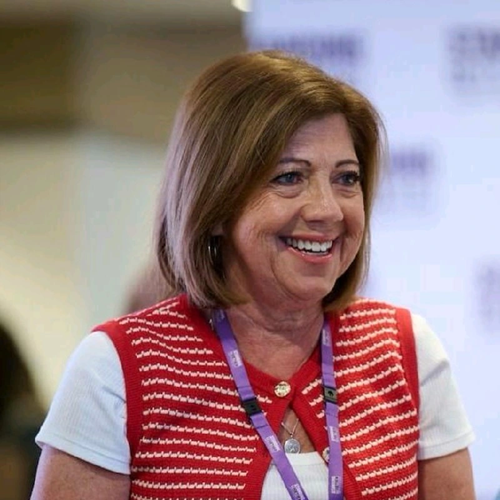
With over 22 years of experience in the social sector, Jackie Hyland has been at the forefront of developing innovative, trauma-informed approaches to supporting victim-survivors of domestic abuse. She played a pivotal role in establishing the first Independent Domestic Violence Adviser (IDVA) within a police setting, influencing national practice and policy.
Jackie’s work spans health, justice, and community sectors, where she has led pioneering projects focused on early intervention, cross-sector collaboration, and systemic change. She has successfully delivered government-funded programs both locally and nationally, ensuring services are responsive, sustainable, and grounded in evidence-based practice.
Her expertise includes working directly with families in trauma settings, working holistically to prioritise safety, recovery, and empowerment. Jackie is recognised for her ability to bring stakeholders together, bridging gaps between statutory services, voluntary organisations, and communities to create integrated solutions for complex social challenges.
As Executive Director at STADA, Jackie now leads Health initiatives, championing equitable and accessible services for those most affected by abuse. Her leadership continues to shape policy and practice, driving innovation to improve outcomes for individuals and families across the UK.

Alison Ashton has worked within the domestic abuse and VAWG sector for 15 years. This work started with a specialist role supporting women in drug and alcohol services experiencing domestic abuse, developing a robust local mechanism for drug and alcohol services to engage with MARAC. Alison went on to manage local specialist domestic abuse services developing service models to meet the needs of women and children fleeing abuse who could not access hostel-based accommodation and those with no recourse to public funds. Alison continues to locally chair the Humberside Police VAWG Independent Advisory Group and the Hull VAWG serious violence multi agency group.
Alison joined STADA in 2023 and worked in the DAHA (Domestic Abuse Housing Alliance) team supporting housing providers to achieve accreditation utilising her skills at articulating and promoting the benefits of collaboration and multi-agency working. Alison is passionate about the coordinated community response and is now working with the STADA health team on embedding learning from the whole health project and ensuring continued progression of a whole health response to domestic abuse
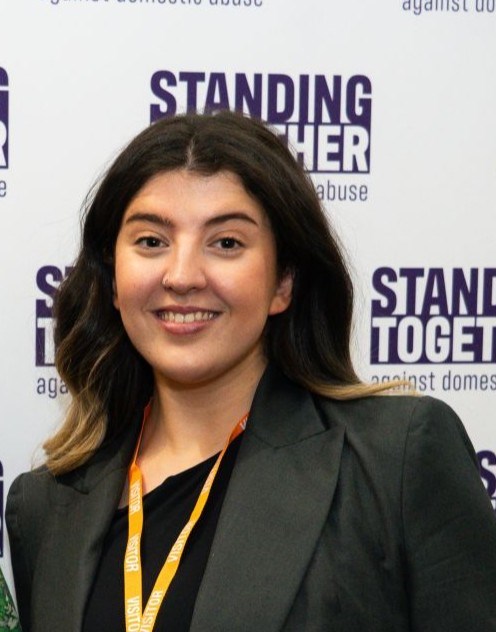
Alice is a policy and public affairs professional with six years experience working in the VAWG Sector. She joined Standing Together in 2024 in a dedicated health policy role to sustain the impact of the Whole Health Project and influence government to take the learnings and insights of the project forward, into policymaking and legislation. This has included extensive engagement with Government, MPs and policy colleagues across the Health and VAWG Sectors. She has been pleased to work on some fantastic projects, and help secure significant progress on issues such as updates to the NICE Guidance, clear commitments from the Department of Health and Social Care to engage on the issue of VAWG, amendments to the Assisted Dying Bill on the capacity of Health to respond to abuse and the NC1 clause to remove criminalised women from the law when seeking abortion care. She was published as a contributor to 'Never again. Again.' and in the British Medical Journal. She coordinates the Health and Domestic Abuse Leadership Group.
Alice's role now sits cross-organisationally at Standing Together and she works on additional policy areas including Housing, Criminal Justice, Coaction Hub, 'So-called' Honour-Based Abuse and Harmful Practices. She has a particular interest in criminalised women, specifically how they engage with statutory services and the link between abuse and criminalisation. She is a member of the Scottish Government's Domestic Abuse Court Advocacy Taskforce, representing Standing Together.

Arlene, is the Senior Survivor Voice Lead at STADA, leading the initiative to centre survivor's voices in the delivery of their new 5 year strategy. Arlene has worked in the Charity sector for over 12 years mainly in frontline and specialist roles. She views her current role in lived experience work as one of her calling, having delivered a number of projects since 2019 to amplify the voices of survivors in service delivery, fundraising, campaigns, policy matters and systems change.

she/her
Bella began working on the Whole Health Project in 2025 as a Project Officer and has held her current Health Coordinator role since June 2025. Bella holds a Master of Public Health, during which she explored gaps in service provision between children’s and adult mental health services in Scotland. She is passionate about wholistic and trauma-informed care for all victim/survivors. Bella currently facilitates all five regions of the Crossing Pathways Network and, as part of Pathways to Safety, works closely with health providers to coordinate engagement and support them through the accreditation process.

Eva has been the Training & Membership Coordinator for the Health and Training Team since February 2025, and previously worked operationally within STADA since 2023. Eva studied Politics before joining the organisation, where she researched gender based political issues, specifically the underfunding of domestic abuse services in the UK. Passionate about tackling domestic abuse, Eva also volunteered full time for a frontline Domestic Abuse charity during her studies, supporting the service and business operations. Eva's role involves high levels of organisation, creativity and efficiency to support and coordinate the STADA Training function and the Pathways to Safety membership process.
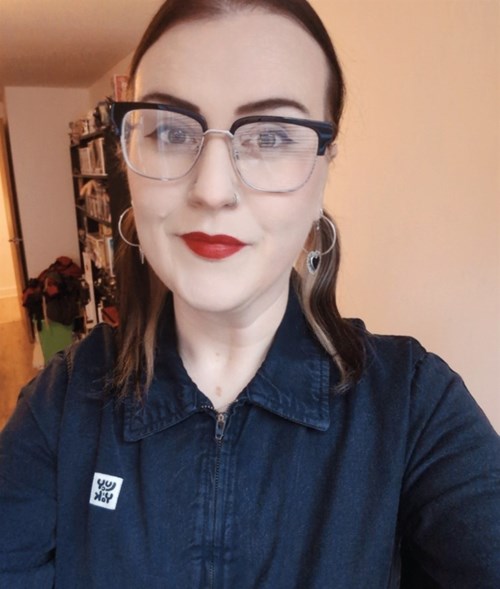
Gabrielle has been with Standing Together since July 2025 as the Domestic Abuse and Sexual Safety Coordinator for NSH Chesire and Merseyside ICB. The one-year funded project aims to increase the support and safety of NHS staff across Cheshire and Merseyside impacted by domestic abuse or sexual safety concerns. Gabrielle has worked in the domestic abuse sector since 2019, both in operational and frontline roles, with much of her frontline experience taking place in the health context. She studied law and went on to complete master’s degree in Humanitarian Action and Peacebuilding, with a focus on crime, domestic abuse and VAWG. Gabrielle has always been passionate about human rights and loves the work she does in the domestic abuse sector, striving to give victims and survivors a voice and greater safety.
Loading...